


- Pharmacy & Health
- First Aid & Surgical Instruments
- Medical Equipment
- First Aid
- Food Supplement
- Shampoo, Shower Gel & Soap
- Allopathic Medicine
- Syrup
- Tablets & Medicine
- Capsules & Supplements
- Ointments & Creams
- Powder Health & Personal Care
- Eye Drops & Eye Ointments
- Pharma Pot, Bottle & Box
- Insulin & Diabetes Care
- Drugs & Animal Health
- Homeo Products
- Unani Products
- Pure Herbal











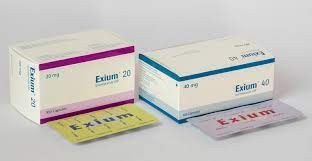
Exium 20 is indicated:
- Treatment of Gastroesophageal Reflux Disease (GERD)
- Healing of erosive esophagitis
- Maintenance of healing of erosive esophagitis
- Symptomatic Gastroesophageal Reflux Disease (GERD)
- Reduction of NSAID-associated gastric ulcer
- Pylori eradication (Triple therapy)
- Zollinger-Ellison syndrome
- Campaign Banner
- Therapeutic Class
- Proton Pump Inhibitor
Pharmacology
Exium 20 is a proton pump inhibitor that suppresses gastric acid secretion by specific inhibition of the H+/K+ ATPase in the gastric parietal cell. Esomeprazole (S-isomer of omeprazole) is the first single optical isomer of proton pump inhibitor, provides better acid control than racemic proton pump inhibitors.
Dosage & Administration
Tablet or Capsule:
- Healing of erosive esophagitis: 20 mg or 40 mg once daily for 4 to 8 weeks. The majority of patients are healed within 4 to 8 weeks. For patients who do not heal after 4-8 weeks, an additional 4-8 weeks treatment may be considered.
- Maintenance of healing of erosive esophagitis: 20 mg once daily. Controlled studies did not extend beyond six months.
- Symptomatic GERD: 20 mg once daily for 4 weeks. If symptoms do not resolve completely after 4 weeks, an additional 4 weeks of treatment may be considered.
- H.pylori eradication (Triple therapy): Esomeprazole 20 mg twice daily for 10 days, Amoxicillin 1000 mg Twice daily for 10 days and Clarithromycin 500 mg twice daily for 10 days
- Injection: The recommended adult dose in GERD with Erosive Esophagitis is either 20 or 40 mg Esomeprazole given once daily by intravenous injection (no less than 3 minutes) or intravenous infusion (10 to 30 minutes).
- A solution for intravenous infusion is prepared by first reconstituting the contents of one vial with 5 ml of 0.9% Sodium Chloride and further diluting the resulting solution to a final volume of 50 ml. The resultant concentration after diluting to a final volume of 50 ml is 0.8 mg/ml.
- 20 mg dose: Withdraw 25 ml of the final solution and administer as an intravenous infusion over 10 minutes to 30 minutes.
- 10 mg dose: Withdraw 12.5 ml of the final solution and administer as an intravenous infusion over 10 minutes to 30 minutes.
Interaction
Exium appears to be a selective inhibitor of the cytochrome P450 mono-oxygenase system, there may be an effect on hepatic clearance, but there have been no reports to date of clinically relevant interactions. There is some uncertainty over the effect of Esomeprazole on the oral combined contraceptive pill. Physiological changes similar to those found with omeprazole are likely to take place because of the reduction in gastric acid which is likely to influence the bacterial colonization of the stomach and duodenum and also vitamin B12 absorption.
Contraindications
Esomeprazole is contraindicated in those patients who have known hypersensitivity to any other components of the formulation.
Side Effects
Side effects reported with Exium include headache, diarrhea and abdominal pain.
Pregnancy & Lactation
US FDA pregnancy category of Esomeprazole is C. So, Esomeprazole should be avoided in pregnancy and lactation unless the potential benefits to the other outweigh the possible risks to the fetus.
Precautions & Warnings
Exclude the possibility of malignancy when gastric ulcer is suspected and before treatment for dyspepsia. When using in combination with antibiotic, refer to the prescribing information of the respective antibiotics.
Therapeutic Class
Storage Conditions
Keep in dry place and away from light and heat. Keep out of the reach of children.
Pharmaceutical Name
Generic
Esomeprazole Magnesium Trihydrate
Related Products
Related products
5HTP 100mg+100mg 6pic
Seclo 20 Cap 20mg (10 piece)

Losectil 40mg 10pic
Nortin 25mg 10pic
AztaCap 4 mg Capsule – 10’s strip
Welgut Capsule 4pic
Biotab 5000mcg 1box
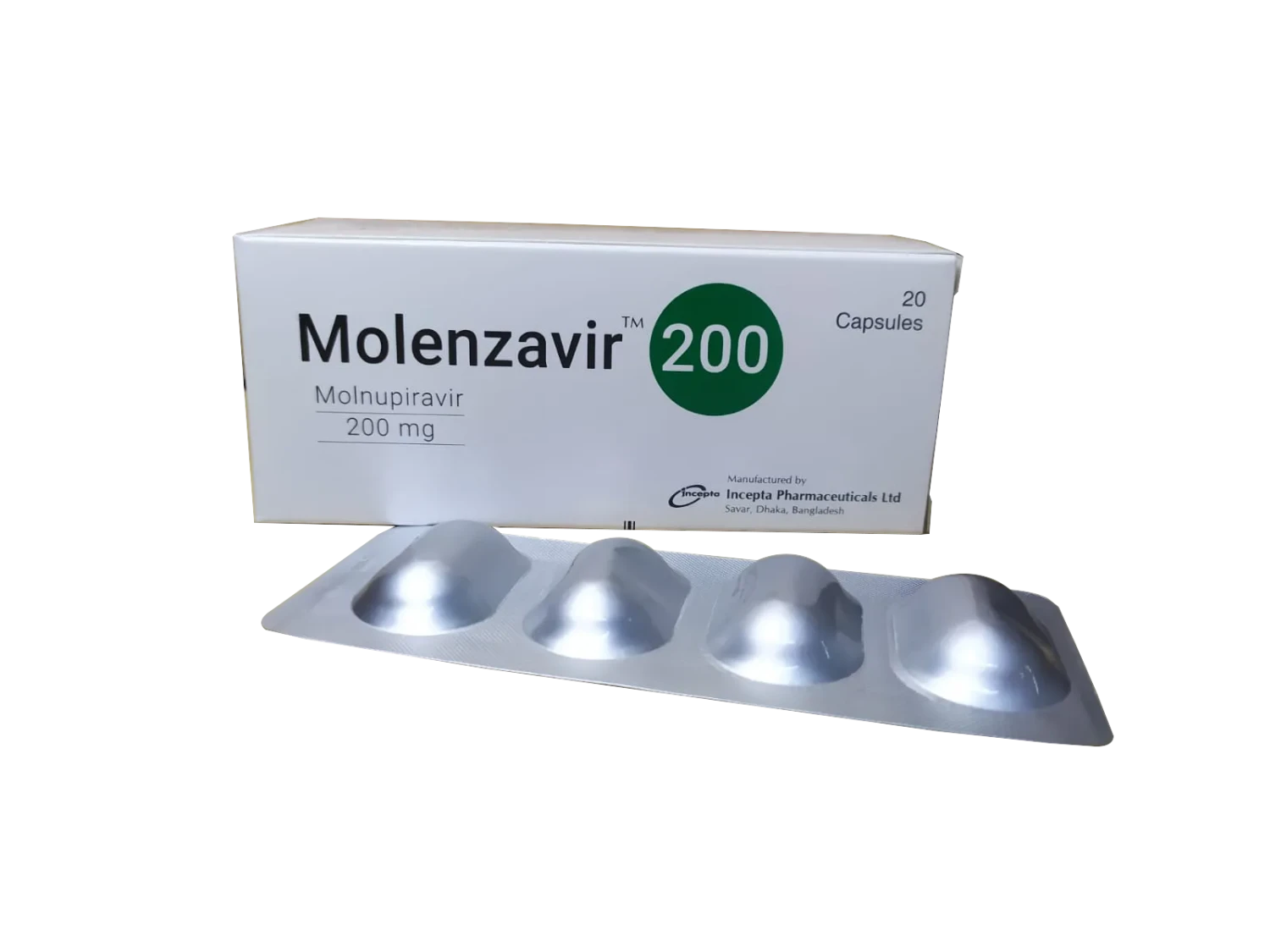
Molenzavir 200

Rebilo -G রেবিলো-জি
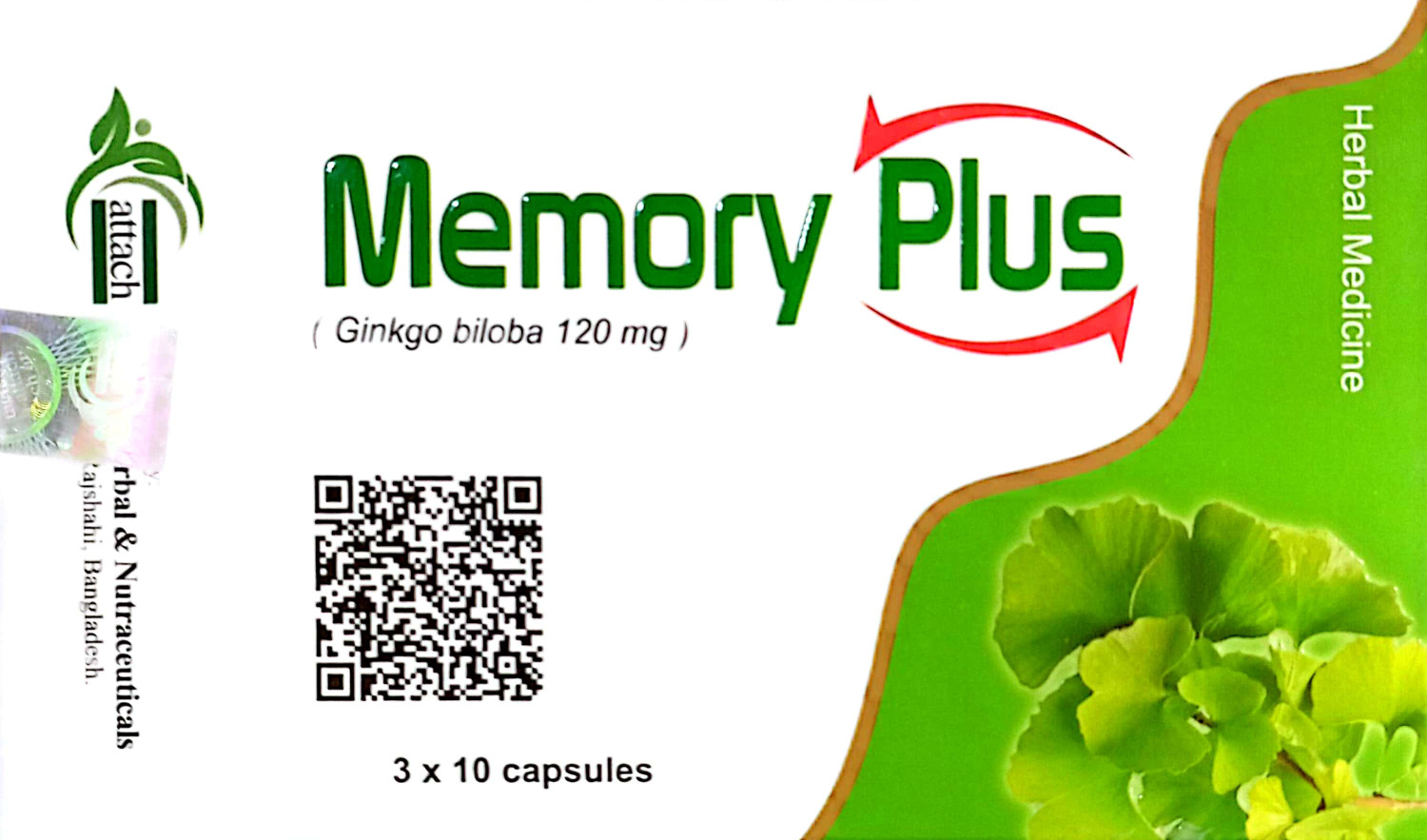
Memory Plus Capsules
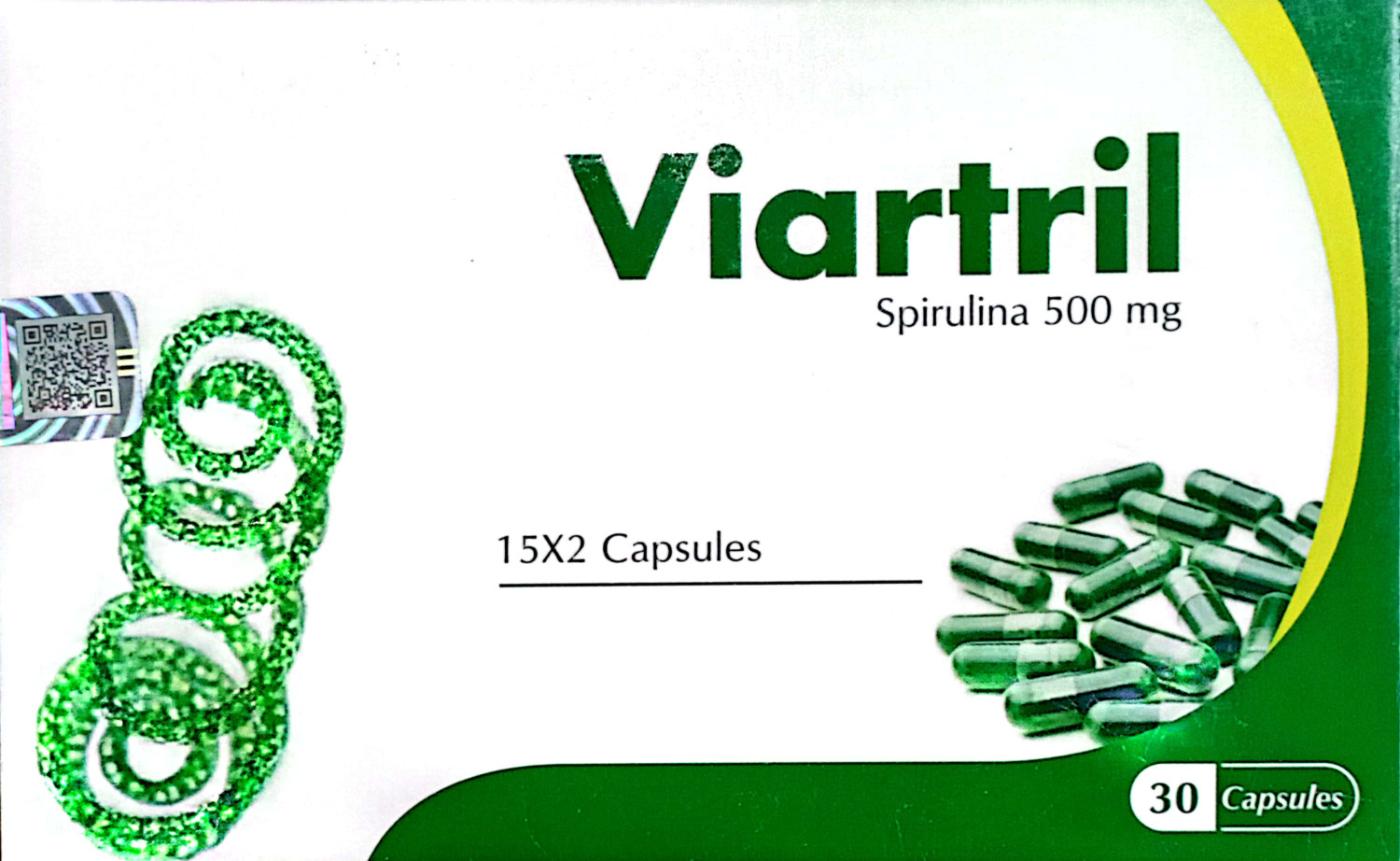
Viartril ডিয়ারট্রিল
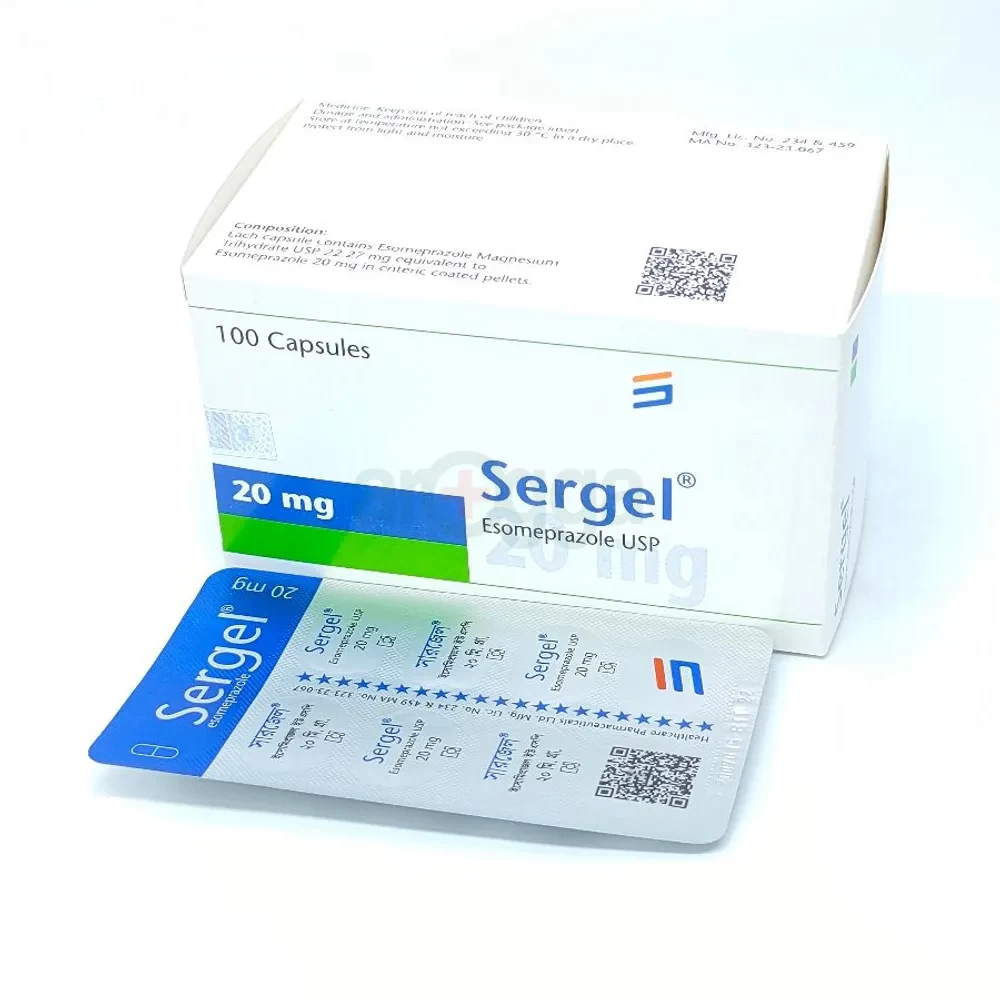
Sergel Tablet 20 mg
Topium Rotacap
PPI 20

PPI 40
Fix A DS 400mg

Fix A 200
VESTIGE FOLIC & IRON PLUS
Salflu 100 Rotacap
Salflu 500 Rotacap
Frequently Bought Together
No frequently bought products found!
Products from this Seller
View All
Hyvest Ultra Scrub Dish Wash

ASSURE FOOT CREAM

ASSURE Hair SPA 150gm

ASSURE Sun DEfense SPF 30+

Dentassure Whitening Toothpaste

Surgical Head Cap

Face Mask

Hexisol Hand Rub


U&Me Long Love Condom 3 piece

U&Me Long Love and Anatomic Condom (3 piece)

Sepnil Hand Sanitizer Spray (10ml)

Femina Antibacterial Sanitary Napkin (Panty System)

প্রাণ মশুর ডাল (দেশি)
এসিআই খাঁটি আটা
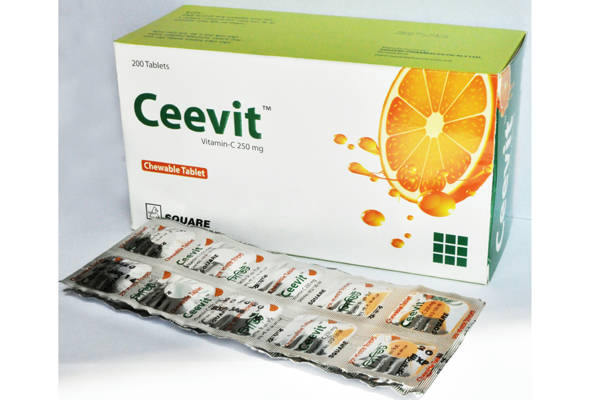
Ceevit 250
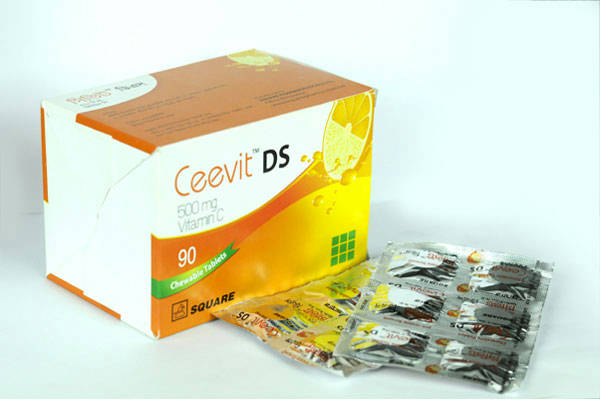
Ceevit DS


Dentassure Toothpaste





Share with Friends
Trading is more effective when you share products with friends!Share you link
Share to